
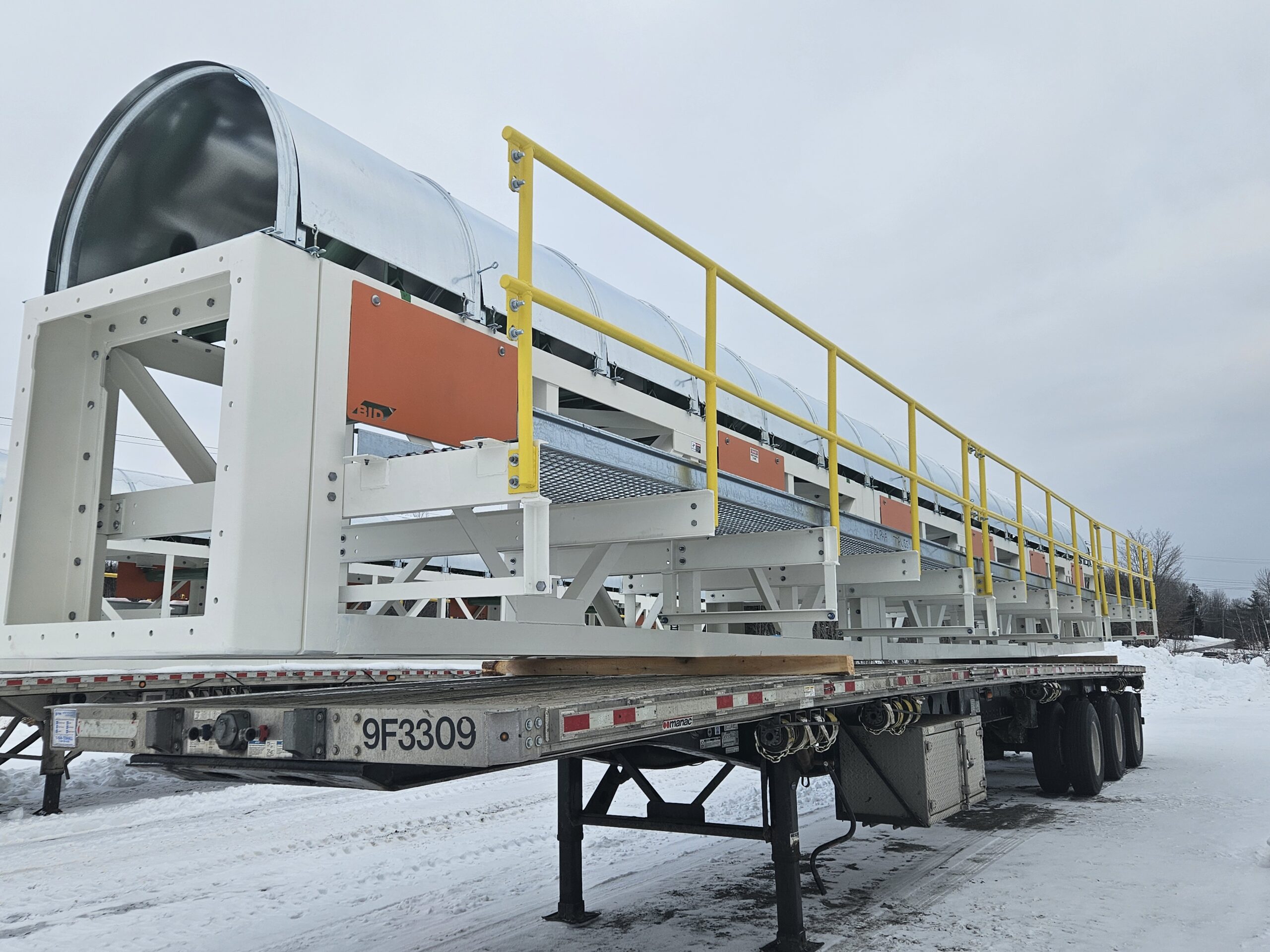
Understanding the key planning information up front is one of the most important factors in the successful design and installation of a conveyor system. Whether you are upgrading existing equipment, expanding operations, or specifying a new installation, taking the time to gather the right data early will save time, reduce redesign cycles, and improve decision quality.
This Modular Conveyor Planning Guide is designed to help you think through the planning details that matter most before you move into detailed engineering or equipment selection. It provides a structured overview of what information to collect, why it matters, and how it supports both traditional and modular conveyor design approaches.
Why Planning Matters
Misunderstandings or incomplete information early in a conveyor project can lead to:
Conveyor systems are highly dependent on site conditions, material characteristics, routing complexity, elevation changes, and end-use requirements. By preparing the right information early, your team can make more confident decisions, reduce ambiguity, and minimize surprises during detailed design.
This guide helps you collect the information you need to make conveyor planning more predictable and efficient.
1. Site and Layout Information
Before specifying any conveyor equipment, it’s essential to understand the physical context of the installation.
What to collect:
a. Existing layout drawings
b. Key routing paths and distances
c. Structural columns or obsructions
d. Clearance requirements
e. Floor elevations and transitions
Why it matters:
Clear layout information ensures that conveyors fit within available space, avoid conflicts with other equipment, and support structural considerations that drive both design and installation.
—
2. Material and Process Details
The behavior of bulk material in a conveyor is more than just weight. Particle size, moisture, abrasiveness, and flow characteristics all influence conveyor type, belt choice, speed, and discharge methods.
What to collect:
a. Material type and characteristics
b. Particle size distribution
c. Moisture content
d. Bulk density
e. Throughput requirements (t/hr)
f. Peak load expectations
Why it matters:
Accurate material data reduces risk of conveyor inefficiency, spillage, belt mistracking, and premature wear.
—
3. Transfer and Discharge Locations
Knowing where material enters and exits a conveyor affects:
a. Transfer point design
b. Chute alignment
c. Belt loading zones
d. Discharge heights
e. Integration with downstream processes
What to collect:
a. Transfer point coordinates
b. Discharge locations and heights
c. Downstream equipment interface points
Why it matters:
Material handling systems are only as good as their transitions. Smooth integration points reduce mechanical stress and operational inefficiencies.
—
4. Elevation and Installation Considerations
Elevation changes can significantly impact structural design, drive selection, and conveyor length.
What to collect:
a. Starting and ending elevations
b. Intermediate elevation points
c. Slope limitations
d. Structural support points
e. Installation access requirements
Why it matters:
Elevation affects drive power, take-up requirements, and structural rigidity. Understanding these early prevents redesign later.
—
5. Project Drivers and Constraints
Every conveyor project has context, and that context affects decisions.
What to collect:
a. Project drivers (e.g., capacity increase, replacement, layout change)
b. Commissioning timeline expectations
c. Project budget range
d. Site safety requirements
e. Environmental conditions
Why it matters:
Upfront clarity on drivers and constraints aligns engineering with goals and sets the stage for realistic schedules and budgets.
Using This Guide
This resource is not meant to replace detailed engineering, but to make it easier.
Use the guide to:
– Gather consistent planning information across departments
– Support vendor queries and RFQs
– Prepare internal alignment before design begins
– Improve the accuracy of early cost estimates
– Avoid common planning oversights
You can use this guide as a checklist during kickoff meetings, site surveys, or internal planning sessions. The better the planning data, the smoother the conveyor specification and design process will be.
Why Modular Planning Makes Sense
Modern conveyor design, especially modular designs like the Alpha system, benefits greatly from effective planning information.
Modular conveyor structures leverage standardized components and pre-engineered sections. When your team has accurate layout, material, and elevation data early, you unlock:
For more information about the Alpha Modular Conveyor System or other BID Canada solutions, visit www.bidcanadaltd.com or contact Derek Lawrence at dlawrence@bidcanadaltd.com.