Aggregate operations depend on the efficient movement of large volumes of material. From receiving and primary processing through crushing, screening, stockpiling and loadout, conveyors and transfer equipment connect each stage of the operation.
BID Canada designs and manufactures custom bulk material handling equipment for aggregate, quarry, sand and gravel applications. Our team works with customers and engineering partners to develop equipment around material characteristics, required capacity, site layout and operating conditions.
Based in Woodstock, New Brunswick, BID provides engineering, fabrication and material handling expertise for new installations, expansions and upgrades throughout Eastern North America.
Aggregate material handling systems need to manage high volumes of heavy, abrasive materials while maintaining reliable flow between processing stages.
The requirements can vary considerably depending on whether an operation is handling crushed stone, gravel, sand or other mineral products. Material size, bulk density, moisture, abrasiveness, required throughput and transfer distances all influence equipment design.
BID develops equipment around these requirements rather than applying a standard system to every application.
Our aggregate material handling capabilities include:
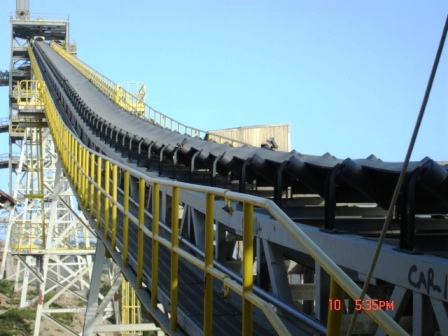
Conveyors are the backbone of many aggregate processing operations. They move material between crushers, screens, storage areas and loadout points while reducing the need for repeated handling by mobile equipment.
BID designs and manufactures custom belt conveyor systems around the requirements of the application. Conveyor length, belt width, capacity, incline, loading conditions and material characteristics can all be considered during the engineering process.
For new operations, conveyors can be developed as part of the overall material flow plan. For existing plants and quarries, BID can also engineer new equipment to integrate with established crushers, screens, structures and other infrastructure.
[
Aggregate operations can require material to travel significant distances between processing, storage and loadout areas. BID designs and fabricates conveyor trusses, galleries, supports and other structural components required to create these material handling routes.
For suitable applications, BID’s Alpha Truss Conveyor System provides a modular approach to conveyor structure that can be configured around the requirements of the project.
The system uses standardized truss sections to simplify engineering and manufacturing while maintaining the flexibility required for individual conveyor installations.
Every time aggregate moves from one piece of equipment to another, the transfer point becomes an important part of the system. BID designs and fabricates custom chutes and transfer components around material flow, equipment arrangement and operating conditions.
For abrasive materials such as crushed stone, careful consideration can also be given to wear areas, replaceable liners and material selection.
Well-designed transfer equipment helps create a controlled path for material between conveyors, crushers, screens, bins and other processing equipment.
Bins and hoppers provide receiving, storage and controlled discharge points throughout an aggregate operation. BID designs and fabricates custom bins and hoppers based on the material being handled, required capacity, discharge requirements and surrounding equipment.
These components can be incorporated into new processing systems or designed to integrate with existing conveyors, crushers, screens and loadout equipment.
Sand and gravel operations present different handling requirements than larger crushed aggregate. Material size, moisture and flow characteristics can influence conveyor selection, chute geometry, hopper design and transfer-point performance.
BID develops material handling equipment around the characteristics of the product and the requirements of the operation rather than treating every aggregate application the same way.
Systems can be developed for material receiving, processing, stockpiling and loadout.
Once aggregate has been processed and separated into the required product sizes, it needs to be efficiently moved into storage and eventually to the customer.
Conveyor systems can provide efficient connections between screening equipment, stockpiles, storage areas and loadout points. BID can design conveyors, structures, chutes, bins and related equipment as individual components or as interconnected parts of a larger material handling system.
Aggregate equipment operates in an environment where wear is an unavoidable consideration.
Crushed rock and other abrasive materials can create significant wear at loading zones, discharge points, chutes and other high-impact areas.
Equipment design can account for these conditions through appropriate material selection, wear components, liners and access for inspection and maintenance.
Considering these requirements during the design stage can help make equipment easier to operate and maintain over its service life.
Not every aggregate project starts with a new facility. Existing quarries and processing plants may need additional capacity, replacement equipment or modifications to accommodate changes elsewhere in the operation.
BID works with customers to develop equipment that integrates with existing infrastructure. This can include replacement conveyors, new transfer points, structural modifications, guarding and equipment required to connect new crushers, screens or other processing machinery. Our engineering team can work within existing site constraints while considering access, installation and ongoing maintenance requirements.
BID combines engineering and fabrication at our facility in Woodstock, New Brunswick. This allows our engineers and manufacturing team to work together throughout a project, considering not only how equipment needs to perform but also how it will be fabricated, transported, installed and maintained.
Equipment and structural components can also be preassembled where practical before shipment, helping reduce work required at the project site.
Aggregates are fundamental to the infrastructure around us. Crushed stone, sand and gravel are used in roads, bridges, concrete, buildings and other construction projects. Supplying those materials requires an extensive network of quarries, pits and processing facilities.
As infrastructure is built, maintained and replaced, efficient aggregate production and material handling will remain an important part of the supply chain.
Every stage of an aggregate operation depends on material getting to the next process reliably. BID works with customers to develop the conveyors, transfer equipment and structures that create those connections.
Whether the requirement is an individual replacement conveyor, a new stockpiling system or multiple components for a larger plant upgrade, our team can develop equipment around the material, capacity and site requirements.
Planning a quarry expansion, processing plant upgrade or new aggregate material handling system?
Talk to BID about your material, required capacity, equipment layout and project requirements.