
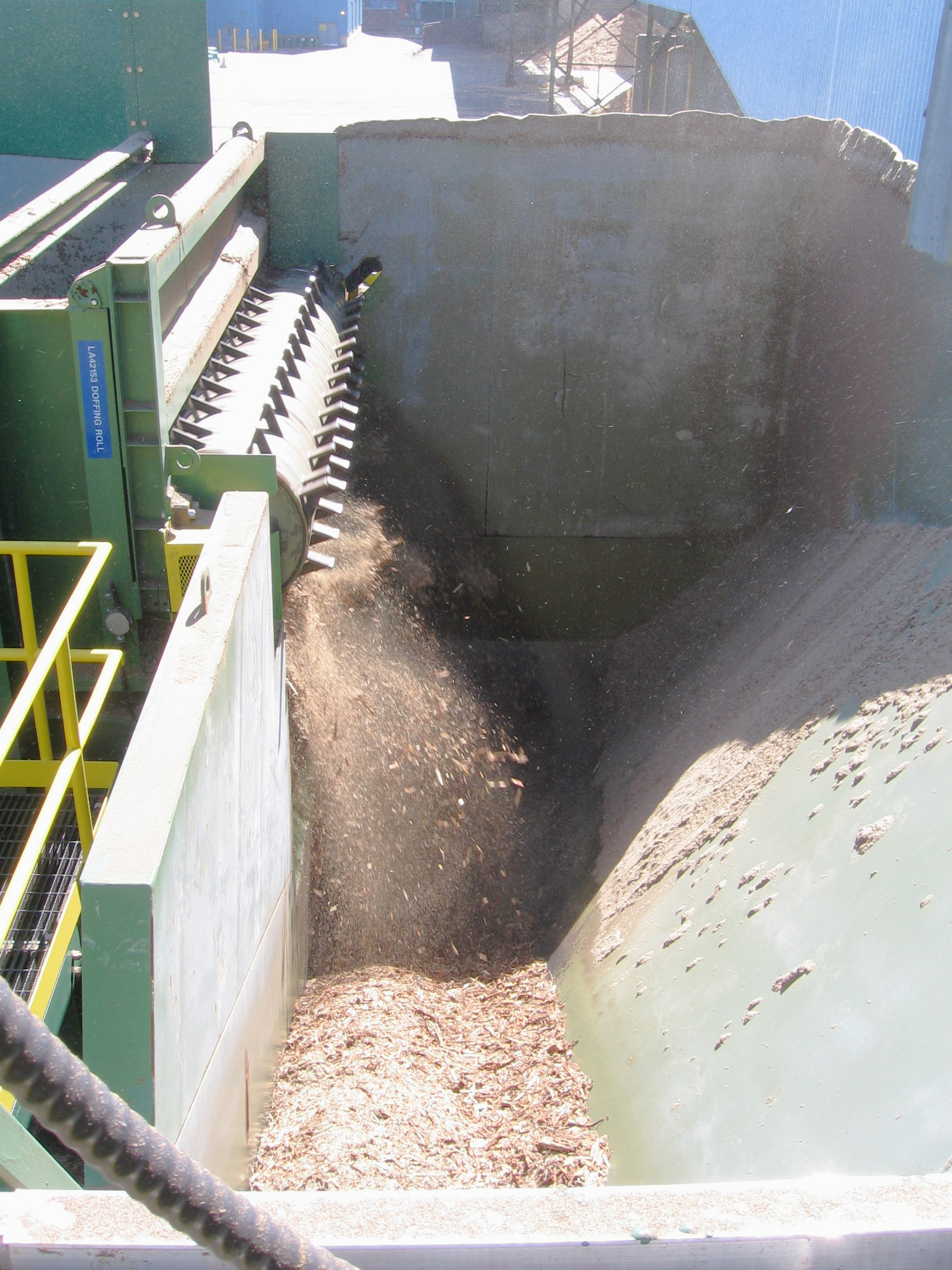
Conveyor Transfer Points
Why the smallest sections often have the biggest impact
A conveyor system is only as reliable as its weakest point.
While attention is often focused on drive systems, motors, and major structural components, many conveyor failures begin in a much smaller area: the transfer point. These locations experience the highest concentration of impact, abrasion, vibration, and material turbulence, making them some of the hardest-working sections of any conveying system.
Whether handling aggregates, wood products, fertilizer, biomass, salt, potash, or mining materials, transfer points deserve regular inspection and thoughtful design. Ignoring them can lead to excessive wear, unplanned downtime, and unnecessary maintenance costs.
What Is a Transfer Point?
A transfer point is any location where material changes direction or moves from one conveyor to another. Although these transitions may only represent a small portion of the overall conveyor system, they are often responsible for a disproportionate amount of maintenance.
At these locations, material is accelerated, redirected, dropped, or funneled into a new flow path. This creates concentrated wear that isn’t typically seen along the remainder of the conveyor.
Why Transfer Points Experience More Wear
Several factors combine to make transfer points one of the highest-risk areas on any conveyor.
- Impact Loading – Material often falls onto the receiving conveyor with significant force. Repeated impacts can damage liners, skirt boards, idlers, support structures, and even the belt itself.
- Abrasion – High-velocity material sliding across steel surfaces gradually wears away liners, chutes, and wear plates. Even properly designed systems require routine inspection because abrasion is unavoidable.
- Material Turbulence – When material flow is uncontrolled, it can bounce, ricochet, or spread unevenly across the belt. This creates additional wear while increasing the likelihood of spillage and belt tracking issues.
- Dust Generation – Poorly designed transfer points can create excessive dust as material becomes airborne during transfer. Besides housekeeping concerns, dust can accelerate wear on nearby equipment and create safety concerns for personnel.
Common Warning Signs
Many conveyor failures don’t happen suddenly. They develop gradually, giving maintenance teams opportunities to intervene before a costly shutdown occurs.
Watch for:
- Excessive material spillage around transfer points
- Visible wear on liners or chute walls
- Belt mistracking after a transfer
- Damaged or seized idlers near loading zones
- Cracking welds or structural fatigue
- Increased vibration or unusual noise
- Dust escaping from enclosed transfer areas
- Frequent cleanup requirements
These symptoms often indicate that the transfer point is no longer controlling material flow as intended.
Other Conveyor Trouble Spots
Although transfer points are among the most common problem areas, they aren’t the only locations that deserve attention.
Loading Zones
Heavy loading can shorten the life of impact beds, idlers, and belt covers if not properly supported.
Pulley Areas
Drive, tail, and bend pulleys should be inspected regularly for lagging wear, alignment issues, and material buildup that can affect tracking.
Belt Tracking Locations
Misalignment often begins gradually. Catching it early helps prevent uneven belt wear and structural damage.
Return Side Components
Return idlers and cleaners are frequently overlooked, yet they play a critical role in preventing carryback and extending belt life.
Structural Supports
Corrosion, fatigue cracks, loose fasteners, and damaged bracing can compromise the entire conveyor system if left unchecked.
A Preventative Approach
The most effective maintenance programs focus on identifying wear before it becomes failure.
Regular inspections should include:
- Monitoring wear liners and replaceable components
- Checking chute alignment and material flow
- Inspecting skirt sealing systems
- Verifying idler condition and rotation
- Looking for structural movement or cracking
- Confirming proper belt tracking through transfer areas
- Recording wear trends to predict maintenance intervals
A small repair completed during scheduled maintenance is almost always less costly than an unexpected shutdown.
Designing for Reliability
Well-designed transfer points don’t eliminate wear, but they can dramatically reduce it.
Proper chute geometry, controlled material flow, durable wear materials, accessible maintenance areas, and adequate structural support all contribute to longer equipment life and improved system reliability.
Whether designing a new conveyor or upgrading an existing system, investing attention in transfer points often delivers one of the highest returns in reduced maintenance and improved uptime.
Final Thoughts
Transfer points may occupy only a small section of a conveyor system, but they often determine how reliably that system performs.
By treating these high-wear areas as critical inspection points rather than afterthoughts, operations can reduce downtime, improve safety, extend component life, and keep material moving efficiently.
At BID Canada, we’ve worked with conveyor systems across mining, bulk material handling, forestry, ports, and heavy industry. One lesson remains consistent: the areas where material changes direction are almost always the areas that deserve the closest attention.