
What Happens After Material Leaves the Mine?
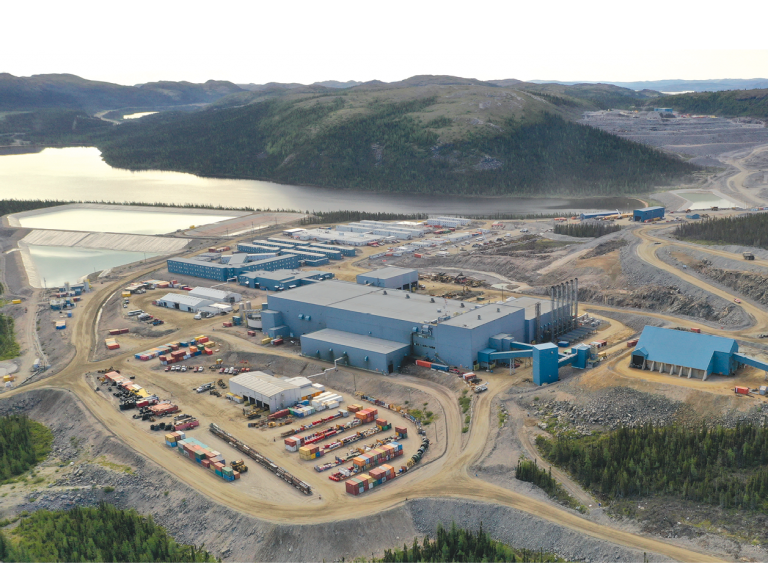
When we think about mining, we tend to focus on what comes out of the ground. Extraction, however, is only the beginning. Once a mine extracts material, the operation needs to move it through several stages. These can include crushing, screening, conveying, stockpiling, mineral processing and loadout. This makes mining material handling an important part of the overall operation. Each stage needs to connect efficiently with the next to keep material moving.
What Happens After Extraction?
The process varies depending on the mine and the material being handled. In many operations, material moves through several pieces of equipment before it reaches its final destination. A crusher may reduce the material to a more manageable size. Conveyors can then move it to another crusher, a screen, a stockpile or a mill. Each step depends on the one before it. If material does not move consistently between stages, it can affect other parts of the operation.
Every Transfer Point Matters
Moving bulk material involves more than getting it from Point A to Point B. Every time material changes direction or moves between equipment, it passes through a transfer point. Each of these points presents its own considerations. Material size, moisture content and abrasiveness can influence how it flows. The required capacity also affects the design of the transfer.
A poorly planned transfer can contribute to spillage, buildup and uneven loading. It can also increase wear on equipment. Looking at these transfer points as part of the complete system can help identify potential issues before they affect other processes.
Layout Plays an Important Role
Mine sites rarely offer a simple, flat route for moving material. Conveyor systems may need to navigate elevation changes and existing infrastructure. They also need to connect crushers, screens, ore sorters, stockpile, and mills. The shortest route does not always provide the best solution. System layout can affect how many times an operation handles material. It can also influence the number of transfer points required and the distance material needs to travel.
For this reason, planning a bulk material handling system requires a broader view of the operation. Engineers need to consider how material will travel reliably through the entire process.
Stockpiles Do More Than Store Material
Stockpiles provide an important buffer between different stages of a mining operation. One process may operate at a different rate than the next. A stockpile can hold material between those stages and help maintain a consistent supply downstream. The way an operation builds and reclaims a stockpile also matters. These decisions can influence how consistently material moves into the next stage of processing or to a terminal or related infrastructure for transporting product.
Looking at Material Handling as a Complete System
Conveyors, chutes, feeders, crushers, screens and storage systems each perform a specific job. However, they also need to work together. A change in one area can affect equipment further downstream. Material characteristics can also change how the system performs. That is why effective mining material handling infrastructure requires more than selecting individual pieces of equipment. It requires an understanding of the material, the site and the complete path between extraction and loadout.
Getting material out of the ground is one challenge. Moving it through everything that comes next is an important part of the process too.her challenge entirely.