
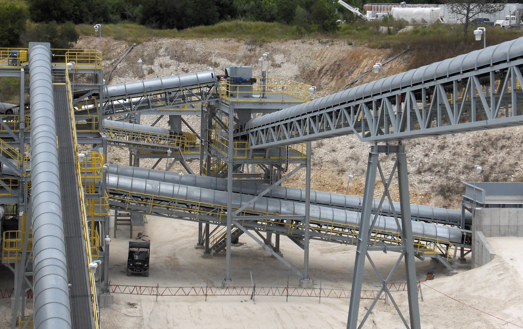
Ore sorting can help mining operations identify and remove waste before it reaches energy-intensive stages such as grinding. For the right orebody, that may mean less material moving through the processing plant and more capacity devoted to valuable ore.
The sorting equipment makes the separation decision, but the surrounding system determines whether that decision can be made reliably, tonne after tonne. Material must be crushed and screened to a suitable size, fed at a controlled rate, presented clearly to the sensor and directed into the correct product or waste stream.
BID Canada’s white paper, Beyond the Sorter, looks at ore sorting through a material-handling lens. It explains where sorting can fit into a processing flowsheet, what conditions affect its performance and what project teams should consider when designing the full system.
The paper covers:
A promising sorting test is an important starting point. At production scale, the operation also needs a dependable way to handle every material stream, including fines, oversize, accepted ore and rejected waste. Poor flow through a chute or inconsistent loading on a belt can affect the performance of the entire circuit.
That is where material-handling design becomes part of the sorting strategy. Feeders, conveyors, hoppers, chutes, structures and access for maintenance all need to work with the sorter and the characteristics of the ore.