Think About the Worst Day, Not Just the Best Day
When we start talking about a material handling project, we obviously need to know what the system is expected to do under normal operating conditions. We need to understand the material, the capacity, where it’s coming from, where it’s going and how many hours a day the equipment will be running.
That’s the information you need to get started, but I don’t think it’s where the conversation should end.
One of the things I’ve learned over the years is that you also need to talk about what happens when conditions aren’t normal, because that’s usually when you find out how well a system was actually planned.
Maybe you’ve designed around a certain moisture content, but then you get three days of rain and the material starts behaving completely differently. Maybe your average production rate is well within the conveyor’s capacity, but the equipment feeding it doesn’t deliver material at a perfectly consistent rate. Maybe something downstream goes offline and suddenly you have material sitting in places where it normally wouldn’t be.
Those aren’t necessarily unusual circumstances. They’re part of operating a material handling system, so they’re worth discussing before you build it.
Don’t Just Give Me the Average
Capacity is a good example.
If you tell me you need to move 500 tonnes per hour, that’s important information, but I’m probably going to have a few more questions.
Is 500 tonnes per hour the maximum, or is that your average? How consistently is the material being fed? Can the equipment upstream send a surge of material all at once? If production increases for a period of time, what does that look like?
You don’t want to design a system based on an average number only to discover that the way material actually arrives creates a completely different demand.
This is where understanding the operation becomes just as important as knowing the numbers on the specification sheet.
Your Material Won’t Always Behave the Same Way
I talked about material characteristics in an earlier Before You Build, and this is one of the reasons they’re so important.
If you’re handling material outdoors, think about how it behaves after a few days of rain compared with a dry day in July. Depending on the material, additional moisture can change how easily it flows, how much sticks to equipment and how it behaves through a transfer point.
Then, especially here in Canada, we have temperature to think about.
Something that works perfectly well at 20°C may be operating at -20°C a few months later. Now you’re potentially dealing with frozen material, snow and ice around equipment, different lubrication considerations and maintenance crews who still need to safely access everything.
I’m not suggesting that you design an entire system around the worst weather event you’ve had in 50 years. What I am suggesting is that if wet material, freezing temperatures or other difficult conditions are a normal part of your operation, we should be talking about them at the design stage.
Eventually, Something Is Going to Stop
This is another conversation I like to have early.
A material handling system usually involves several pieces of equipment working together, and at some point one of those pieces is going to stop. It could be planned maintenance, a plugged chute, a mechanical issue or something completely unrelated to the conveyor itself.
What I want to know is what happens next.
If the downstream conveyor stops, what happens to the material that’s already moving toward it? Does the upstream equipment shut down automatically? Is there enough capacity in the transfer area to deal with the material that’s already in motion? When everything is ready to run again, are you restarting an empty system or trying to start equipment under load?
These situations can influence decisions about controls, sequencing, chute design, equipment capacity and even the overall layout.
It’s much easier to have that conversation while we’re looking at drawings than after the equipment is installed.
Think About What Happens When Something Plugs
Nobody sits down to design a chute that plugs, but plugs may happen unexpectedly. Material changes, conditions change and sometimes things simply don’t behave exactly the way you expected.
So rather than pretending it will never happen, I think it’s useful to ask what happens if it does.
Can your operators tell there’s a problem before it becomes a bigger one? Can they safely get to the area they need to inspect? Is there enough access to clean it out? Can maintenance actually reach the components they’ll need to work on?
Those may seem like small details when you’re looking at a drawing, but they don’t feel small when you’re trying to get production running again.
Ask the People Who Have to Live With the System
If you’re replacing or expanding an existing system, one of the best things you can do during the planning process is talk to the people who operate and maintain it every day.
I want to know what drives them crazy about the current system.
Where does material build up? What’s difficult to clean? What area is awkward to access? What happens when it rains? What happens when production gets busy? Is there one piece of equipment that creates a problem for everything else when it goes down?
The people working around the equipment every day usually know exactly where the trouble spots are. That information doesn’t always show up on a drawing or in a production report, but it can be extremely valuable when you’re designing the next system.
We’re Not Designing for Disaster
There’s an important balance in all of this.
I’m not suggesting that every conveyor needs to be oversized or that we should design around every scenario anyone can imagine. That would add cost and complexity very quickly, and it wouldn’t necessarily give you a better system.
What we want to understand are the conditions that are reasonably likely to occur during the life of the equipment.
If your material regularly gets wet, let’s talk about wet material. If your production process creates surges, let’s understand those surges. If you’re operating outside through a Canadian winter, let’s design with that environment in mind. If an upstream or downstream shutdown can affect the rest of the system, let’s talk through what happens when it does.
The best time to have those conversations is before fabrication starts.
When everything is running smoothly, a lot of material handling systems can look pretty good. It’s the difficult days that tend to show you which details were really thought through.
So when we’re planning a system, I don’t just want to know what your best day looks like. I want to hear about the bad days too.
That’s often where some of the most useful information comes from.
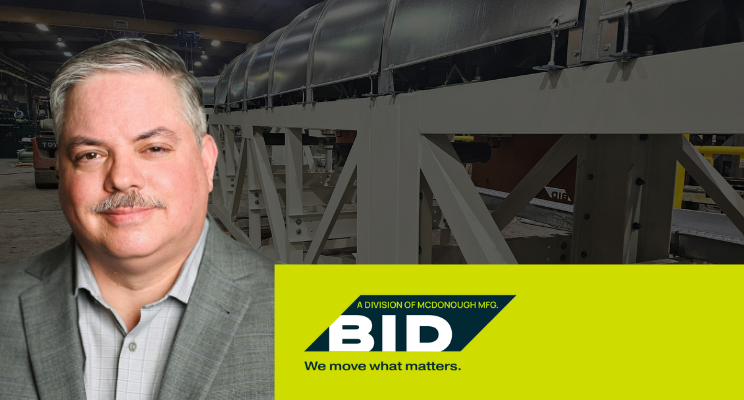
About Derek Lawrence
Derek Lawrence has more than 25 years of experience in bulk material handling, with expertise in belt conveyors, screw conveyors, and drag chain conveyors. Throughout his career, he has helped customers plan and develop material handling systems that improve efficiency, reliability, and long-term performance. Through Before You Build, Derek shares practical advice based on real-world experience to help companies make informed decisions before their next project begins.
Derek lives in Woodstock, New Brunswick, with his wife, Darlene. Outside of work, he enjoys Star Trek, road trips, working out, and cheering on his nieces at their basketball games.